

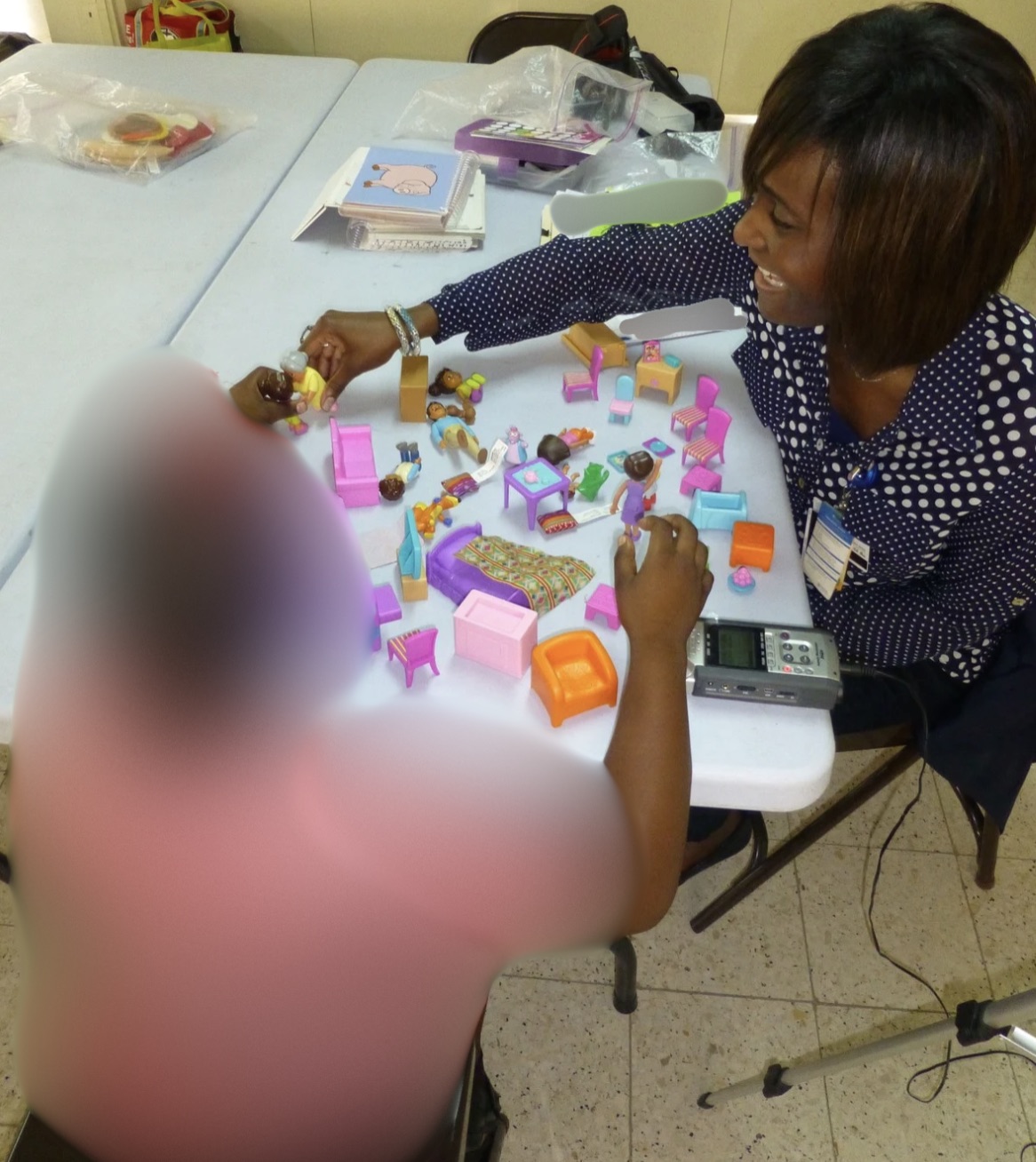
Toronto-based speech pathologist Dr Karla N Washington explains why multilingual children around the world were being misdiagnosed, and how she used Jamaican patois to prove language, identity and culture cannot be separated—especially in research.
For generations, multilingual children across the world were deemed unintelligent, or misunderstood in classrooms and clinical spaces. Their speech differences were mistaken for developmental problems, their code-switching treated as confusion. For Jamaican children who moved naturally between Patois and English, the speech patterns used in Jamaican Creole were measured against systems that ignored cultural context, and were never designed for Caribbean children in the first place. Jamaican-born speech pathologist Dr Karla N Washington, Associate Professor, pediatric speech and language development and disorders at the University of Toronto, has spent more than a decade challenging those assumptions.
The internationally recognised researcher has dedicated her work to understanding how Jamaican children develop their speech and language across English and Jamaican Creole (patois). In doing so, she is helping to reshape how multilingual children are assessed globally. Her research explores everything from storytelling and speech acoustics to neuroimaging and child development, and at the centre of it sits one clear argument: language differences are not language disorders.
In conversation with Writes and Kulcha, Dr Washington spoke candidly about several interlocking themes—identity, multilingualism, play, cultural humility—and why Jamaican children deserve to see themselves reflected in science.
Writes and Kulcha: Dr Washington, you focus on speech and language development in monolingual and multilingual preschoolers. How did you get into this work?
Dr Karla N Washington: I always wanted to work with children. I had an affinity for children with special needs and for people who struggled to communicate. My mother was a teacher and librarian, so I grew up around books, learning, and children. I originally thought I would become a psychologist because I didn’t know speech pathology existed. While studying psychology, I realised a professor I had worked with for years was actually a speech pathologist one day while I was annotating an article for her and thought, “This is it. This is exactly what I want to do.”
Later, during my master’s programme, I wrote a paper about speech and language in Jamaica. My professor encouraged me to pursue a PhD, and the deeper I went into the research, the more questions I had. I realised most of what we knew in speech pathology centred monolingual, English-speaking children, but places like Toronto are multilingual. Jamaica is multilingual. Yet we had very little research about Jamaican Creole and English speakers. That stayed with me.
Writes and Kulcha: What gaps were you seeing early on?
Dr Karla N Washington: During one practicum placement, I observed a Jamaican child being assessed using tools designed for monolingual English speakers. The clinician wanted her to complete phrases like “the boy is sleeping”, but in Jamaican Creole, we don’t structure language in the same way. We say, “’im a slip” (Pronounced: Him a sleep) So the child’s language differences were being interpreted as errors. That moment stayed with me because I realised we didn’t have the benchmark data needed to understand what was typical for Jamaican children whose first language is not actually English, it’s Patois.
Differences were being categorised as disorders when they were not disorders at all. That is a major issue, because once a child is misunderstood or misdiagnosed early, it shapes how people interact with them moving forward.
Writes and Kulcha: In Jamaica, where many children naturally move between Patois and English, what do schools and adults usually misunderstand?
Dr Karla N Washington: People sometimes think multilingual children are confused. They are not. A multilingual speaker is not two monolinguals inside one brain. Children naturally pull from both language systems. They code-mix. That is a normal part of multilingual communication.
Code-mixing or code switching itself should never automatically signal disorder. What matters is understanding context, patterns, and development over time. We also underestimate children constantly.
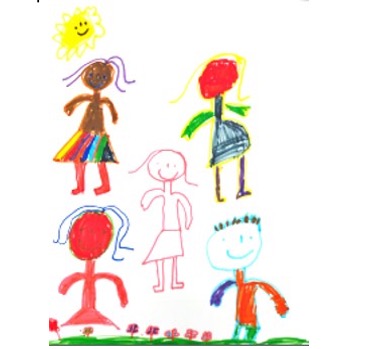
When I worked with Jamaican children directly through drawings and storytelling exercises, most children expressed happiness and confidence about how they communicate. Their language was not a burden to them.
Writes and Kulcha: Tell us more about the alarming misdiagnosis rates among Jamaican children, as found in your research.
One study found that when we used standard English assessment methods, almost 50 per cent of children appeared to have developmental language disorders, but when we adjusted the scoring to account for Jamaican speech patterns (and what children were actually hearing around them culturally), the figure dropped to about seven per cent, which aligns with global prevalence rates.
—Dr Karla N Washington, speech pathologist
That difference is massive, and it shows why culturally responsive assessment matters. If we misunderstand multilingual children, we risk placing them into systems they never needed in the first place.
Writes and Kulcha: Very true. So, what should parents look for during the early years of speech and language development?
Dr Karla N Washington: Language should grow steadily over time. If language begins disappearing, that is usually a concern. In the early stages, you look for things like babbling, cooing, eye contact, joint attention, consistency in sounds and attempts at communication. A child may not pronounce words perfectly, but consistency matters.
For example, if a child says “zaza” for socks consistently, we are less concerned than if the label changes every single time. Parents should also model correct language gently. If a child says “zaza,” you respond with the actual word, saying, “Do you want your socks?” That exposure helps development and play matters greatly. Children learn language through interaction, rhythm, repetition, movement, storytelling and connection. So playing is a big part of how they learn.
Writes and Kulcha: Your work often intersects language, identity and culture. Why is that connection important?
Dr Karla N Washington: Because language is identity… You cannot truly separate language and culture because culture is language. They are intertwined. When we leave our homes, we bring our language with us. We bring our food, our stories, our expressions, our humour… You cannot leave those things behind.
I think there has been fear that embracing our Jamaican Creole somehow threatens English use, but multilingualism is not a weakness. It is a strength. You can preserve the language of trade and commerce while still honouring the native language and identity of a people. Suppressing identity never works well.
Writes and Kulcha: Which is why your research also centres Jamaican children in global scientific literature.
Dr Karla N Washington: Yes.
Writes and Kulcha: What does that visibility mean to you?
Dr Karla N Washington: Representation. It really matters, especially for people like us, people from where we come from. Speech pathology as a field remains overwhelmingly white, female and monolingual, especially in North America. We need more people who look like me studying communities they understand intimately. That is why I use community-based participatory research. I work closely with educators, linguists, parents, children and cultural experts. I do not assume I have all the answers… Those data guide the work.
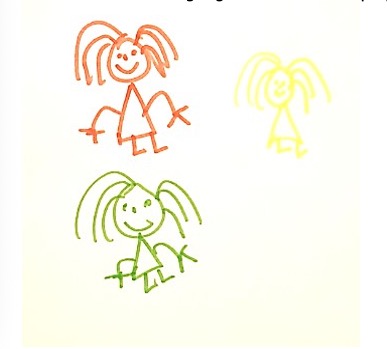
One thing we found through children’s drawings was that Jamaican children consistently centred people in their artwork, even when given very open instructions that did not require that. This reflects something deeply cultural about how we understand community and belonging.
Our national motto is “Out of Many, One People.” Even our children’s drawings reflect that collectivism.
Writes and Kulcha: Amazing. So what keeps you going after all these years, and how would you encourage a young Jamaican woman venturing into a challenging career like yours?
Dr Karla N Washington: I’d say my curiosity. I also know that science and culture do not have to oppose each other. They can inform each other beautifully.
I want to understand Jamaican children, all children, more deeply, and I find language as one of the best ways to do that. Every answer I find creates another question. I also think about impact. If we misdiagnose a child, we can create psychological harm for families. We can also alter how that child sees themselves very early in life.
—Dr karla N washington
So I have to be thorough… the work matters.
And for young Jamaican women entering any field, I always say: keep moving forward, don’t give up… progress rarely happens overnight. You also have to learn how to dispense your own rewards, because if you wait for validation from others, you may wait forever.
For Dr Karla N Washington, the work continues with one guiding question: how do we better understand children on their own terms? Fourteen years into the research, she is still listening for the answer.
 WK Admin