

Across radio programmes, social media timelines, TV interviews, roadside conversations, and entertainment spaces, three separate debates have dominated public attention in Jamaica in recent days. On the surface, they appear unrelated. A fiery reggae rant. An explicit billboard. A disagreement over a reimagined folk classic, but beneath each discussion sits the same (much larger) question.
Who gets to shape Jamaican culture, and how do we honour our heritage while still allowing our culture to evolve?
Heritage is not something we interact with only on Independence Day or for other heritage observances. We revisit it constantly through our music, language, fashion, spirituality, humour, conflict, performance, and evolution. Jamaican culture is always being built, challenged, reshaped, and reclaimed.
Perhaps that is exactly what these conversations reveal…
Read more: Culture Under Debate: Three Conversations Jamaica Cannot IgnoreReggae, gatekeeping and cultural responsibility
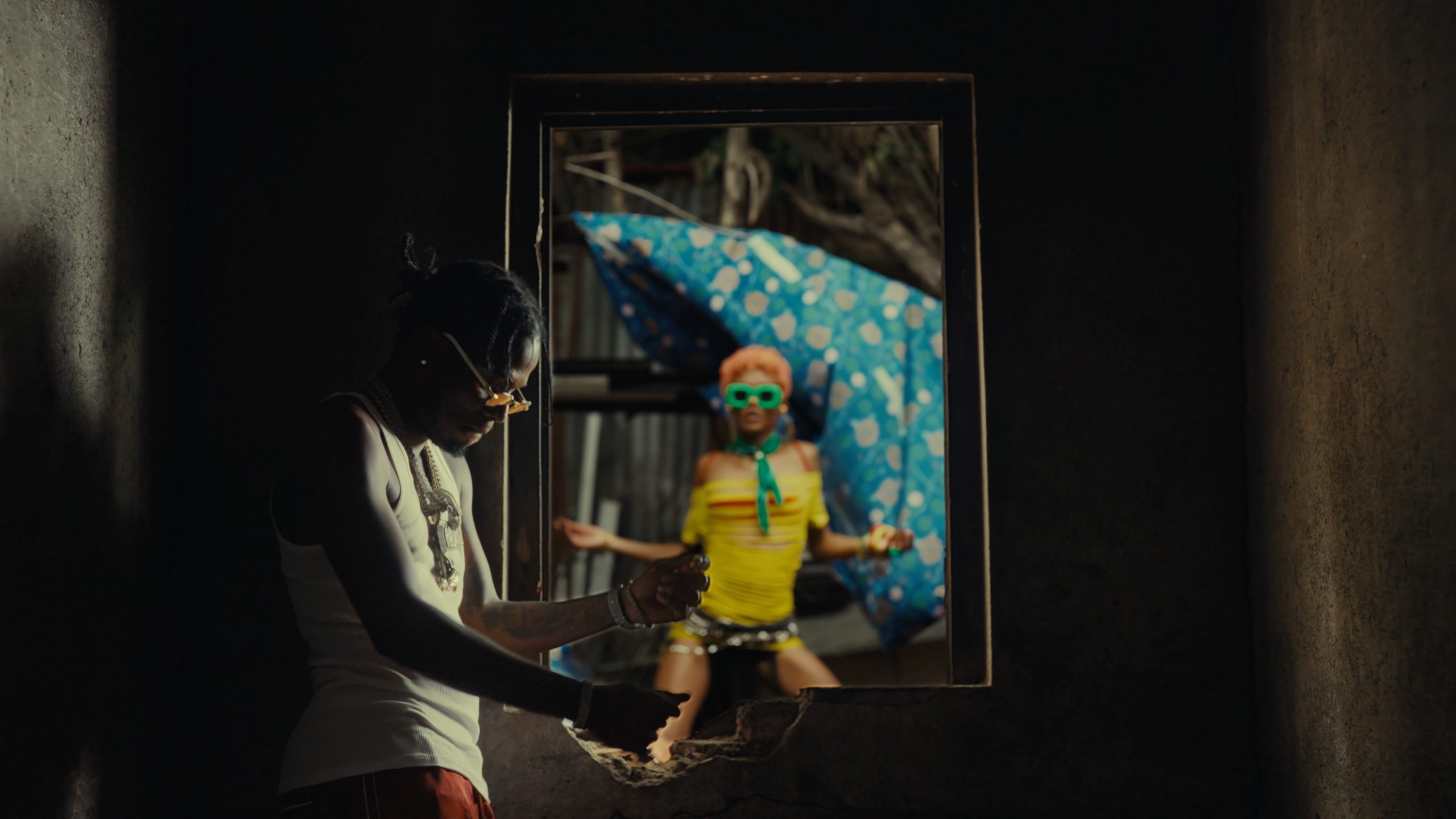
The latest debate surrounding Yaksta began after the artiste released two socially charged tracks, Roar and The Return, songs many listeners interpreted as signalling the return of a more militant and radical positioning within reggae and Rastafari discourse.
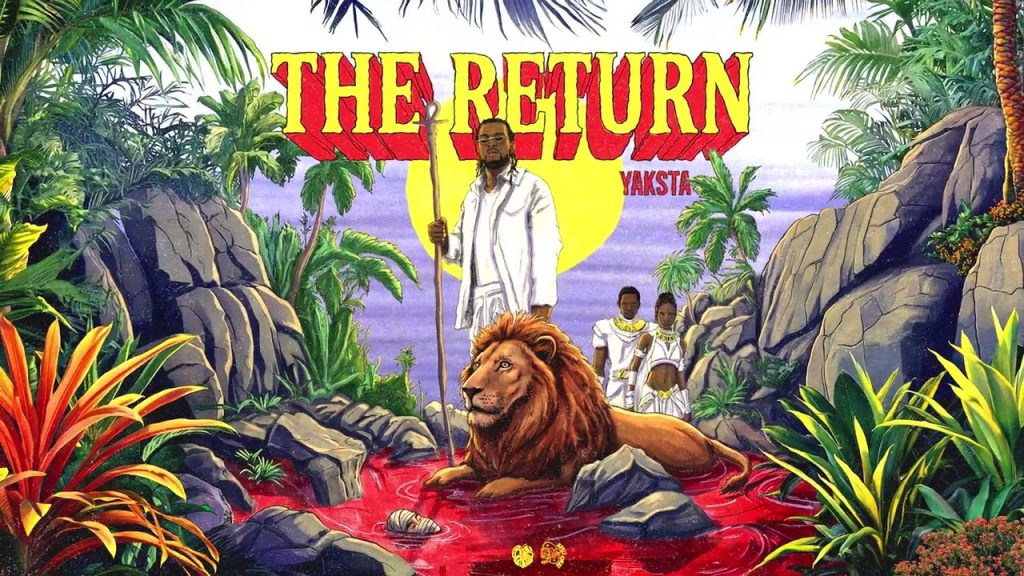
That conversation escalated after Yaksta posted a viral Instagram rant condemning what he described as gatekeeping in reggae music and unequal access to opportunities within the industry. Though the video drew heavy criticism for inflammatory remarks directed at the LGBTQIA community, it also sparked wider debate about access, visibility, and hierarchy within reggae spaces.
The discussion later crossed into mainstream media due to an interview with Anthony Miller on TVJ’s Entertainment Report, where Yaksta doubled down on his claims, insisting gatekeeping within the industry is a known reality.
Since then, public discussion has expanded beyond the original controversy itself. Some agree with his concerns about unequal access within reggae and the concentration of opportunities among a visible few. Others question whether the issue is truly about structural inequity or merely personal grievance and yearning for entry into elite cultural spaces.
At the same time, the conversation has reopened longstanding questions surrounding accountability, militancy, and how Rastafari identity is represented publicly in reggae music. The debate feels especially significant at a moment when reggae itself is facing deeper questions about relevance, continuity, mentorship, and generational transition.
Who gets to protect reggae? Who gets access to it? And what responsibilities come with being seen as its cultural guardians?
Public space, branding and the limits of visibility
Another national conversation emerged following backlash over a sexually explicit billboard erected in the Rockfort area of Kingston.
Read more: Culture Under Debate: Three Conversations Jamaica Cannot Ignore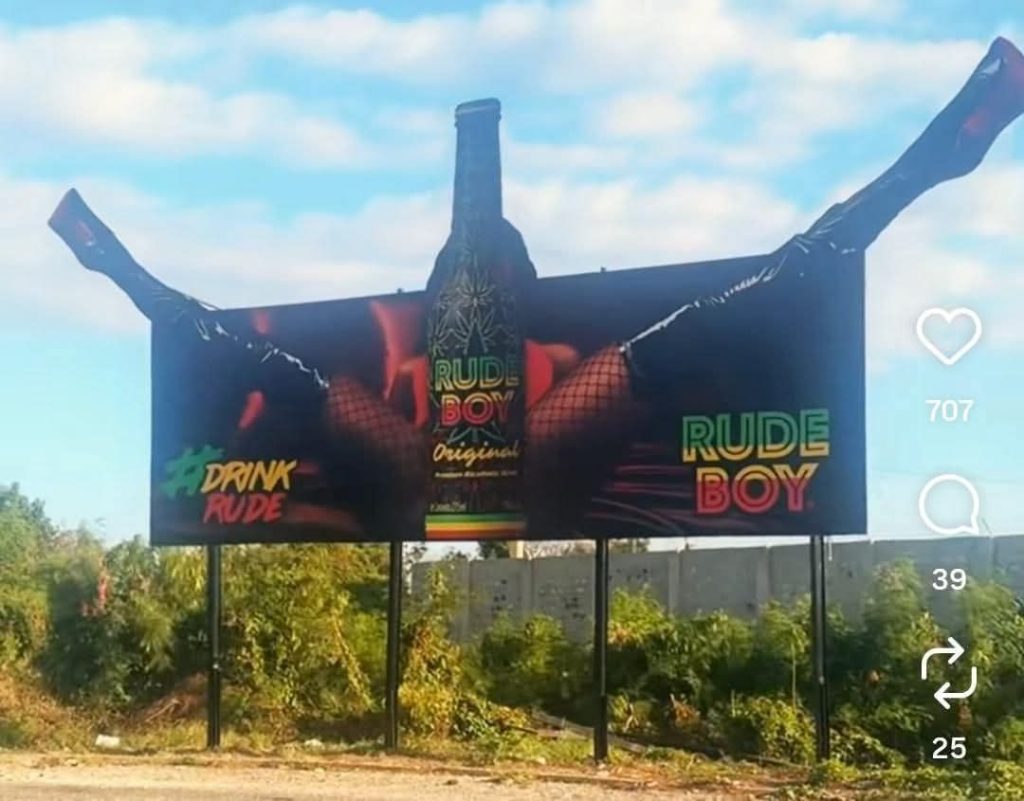
The Rude Boy billboard, which many Jamaicans considered far too graphic for public display, reignited familiar debates around sexuality, branding, public morality, and the boundaries of expression in shared spaces. The issue is not simply whether Jamaican culture contains sexuality. It always has. All our musical forms bear witness to this fact. From mento to dancehall, Jamaican cultural expression has long included suggestiveness, innuendo, humour, sensuality, and coded language.
Slackness is not new to the culture. The larger concern for many people was context.
- What belongs in public view?
- What responsibilities come with advertising (in spaces shared by children and families)?
- And how do brands balance provocation, visibility, and public accountability?
The conversation presents an opportunity for deeper discussion around advertising standards, public signage approval, and whether certain forms of explicit branding belong only in adult-centred environments rather than general public thoroughfares.
Again, the tension is not between culture and morality alone. It is about negotiation. Time and place, audience and discernment.
Hill & Gully, heritage and cultural reinvention
Perhaps the richest cultural discussion unfolding right now surrounds Fae Ellington’s criticism of a reimagined “Hill and Gully Ride” with a riddim produced by Stephen DiGenius McGregor. The debate has triggered passionate responses across generations, with some arguing the reinterpretation disrespects a cherished Jamaican folk classic, while others see it as part of the natural evolution of Jamaican music.
History tells a more layered story.
“Hill and Gully Ride” has never existed in only one fixed form. This folk song has travelled repeatedly across Jamaican musical eras for decades, reshaped each time by changing sounds and generations —from folk to mento, ska to rocksteady, reggae to dancehall.
Lord Composer recorded a mento version in 1954. The Skatalites revisited it in ska in 1964. Alva Lewis interpreted it through rocksteady in 1968. I-Roy reimagined it in reggae in 1979. Yellowman carried it into dancehall in 1983. Johnny Osbourne revisited it during the digital dancehall era in 1987, then Ini Kamoze, Elephant Man, and Busy Signal all revisited its DNA in later years.
Now, in 2026, it returns once more.
The repeated return to “Hill and Gully Ride” across generations suggests the melody carries something deeply rooted in the Jamaican imagination. Something durable. Familiar. Adaptable and relatable to us. Rather than treating the debate only as desecration versus preservation, perhaps the bigger opportunity lies in education, documentation, and cultural protection.
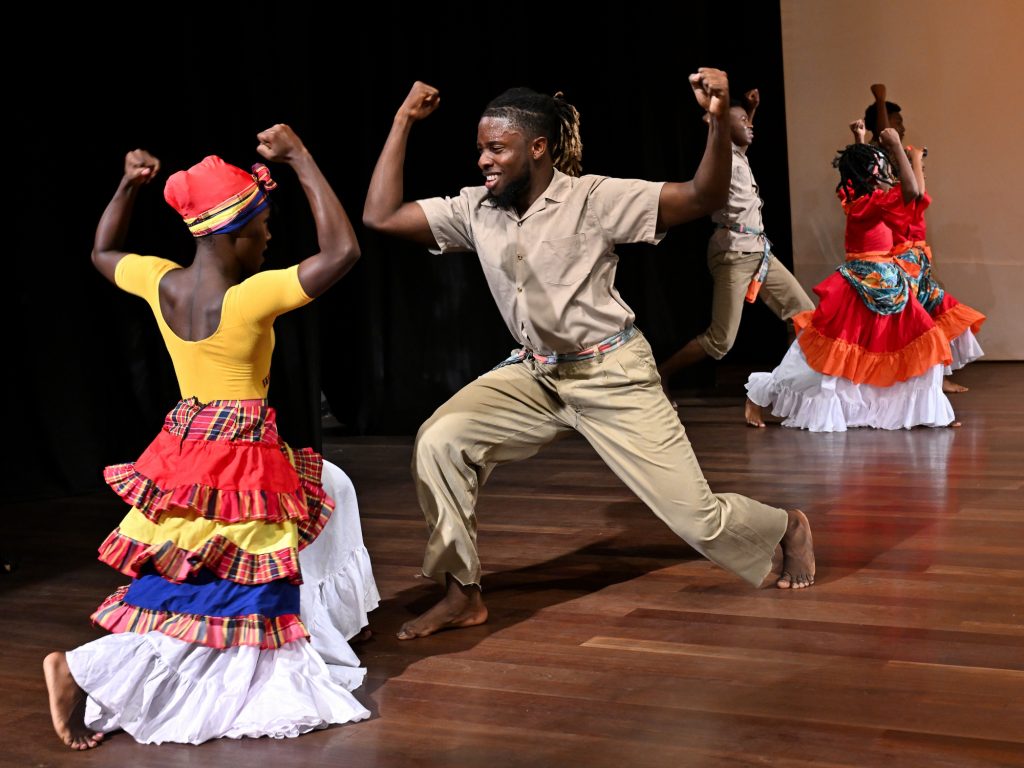
Many younger Jamaicans are hearing about“Hill and Gully Ride” for the first time because of this controversy. Others are now discovering mento music, folk traditions, oral storytelling, dancing Dinki Mini online, and getting into the roots of Jamaican sound for the first time— that signals major momentum, and presents us with an opportunity well worth exploring.
The moment raises larger questions around intellectual property, cultural preservation, and how Jamaica protects and benefits from indigenous cultural forms that continue generating value across generations.
- How do we preserve our cultural inheritance while still allowing for creative reinterpretation?
- How do we protect the roots while still allowing branches to grow?
For a nation that gained Independence only in 1962, many of these debates reflect a country still actively defining itself culturally, socially, spiritually, and creatively — continuously shaping its postcolonial identity. Fresh debate emerged just yesterday after objections were raised in Parliament to the use of Jamaican Patois during a presentation in the House, reopening longstanding questions around language legitimacy, access, identity, and whose voices are considered appropriate within formal national spaces.
Jamaican culture is alive enough to debate itself
Perhaps the real takeaway from these debates is not that Jamaican culture is collapsing, but that Jamaicans still care deeply enough to argue about what it means, who shapes it, and where it goes next. Even language itself remains part of the negotiation—Proof that culture is not static inheritance sitting untouched behind glass.
It is active and dynamic… Messy and emotionally charged. More importantly, it is negotiated in public, and every generation leaves their fingerprints on it
 Coleen Douglas
  WK Admin