

Editor’s Note:
In the aftermath of Hurricane Melissa, communities across Jamaica mobilised in diverse ways to support relief and recovery. In this column, Kulcha contributor Coleen Douglas reflects on the Rastafari “Relief, Rebuild & Rise” Webathon, examining the gap between cultural symbolism and effective fundraising design. This piece is offered in the spirit of accountability, care, and strengthening community-led responses in times of crisis.
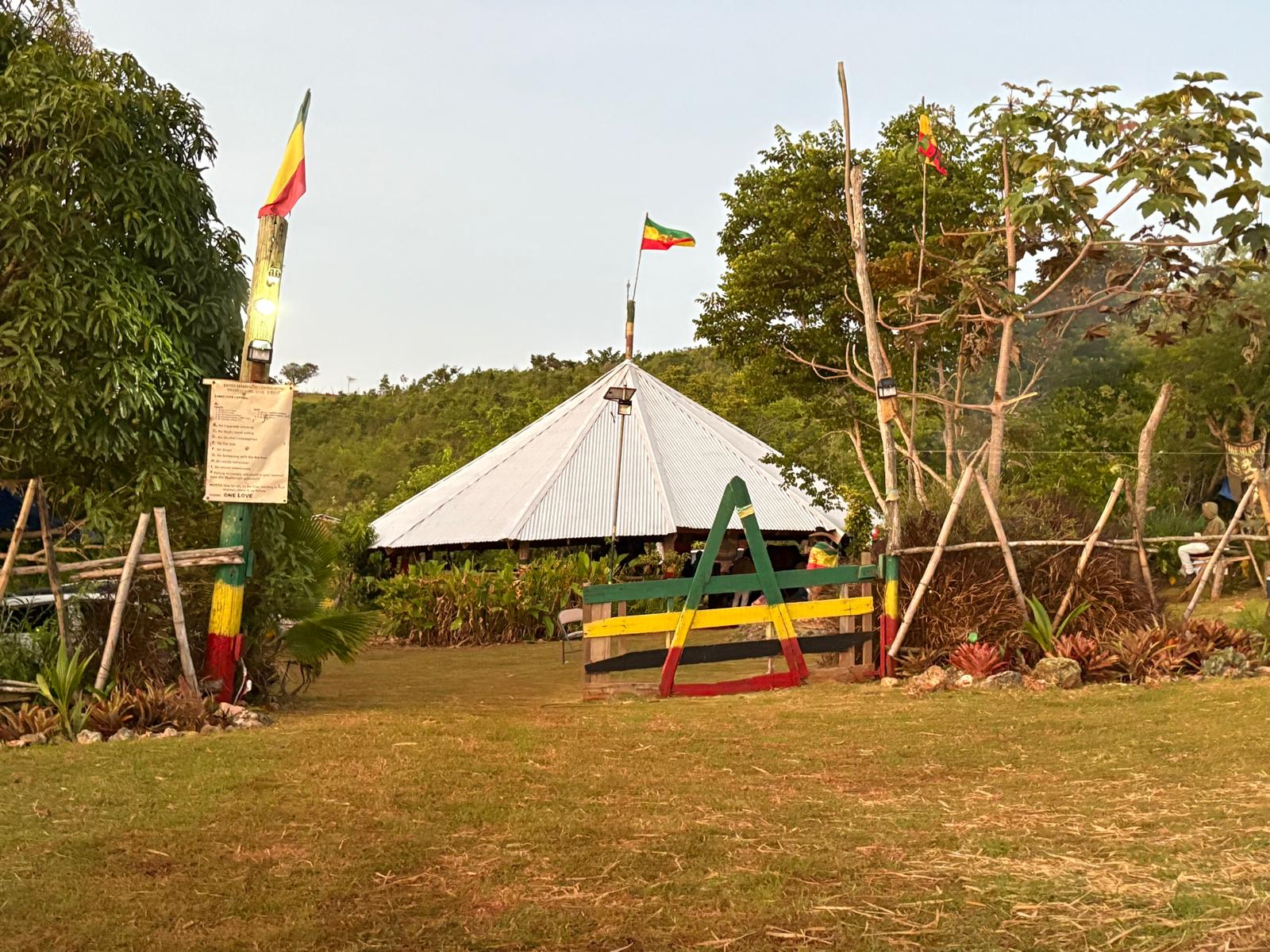
The Relief, Rebuild & Rise (RRR) Rastafari Webathon was a demonstration of Rastafari unity, cultural pride, and collective responsibility in the aftermath of Hurricane Melissa. As an involved member of Jamaica’s Rastafari community and as a communications specialist and educator, the symbolic importance of the initiative was readily apparent. In principle, bringing together Rastafari organisations, artistes, and cultural leaders in a single global broadcast carried significant meaning.
In execution, however, the event raised serious questions about whether symbolism was mistaken for strategy and whether cultural affirmation was allowed to stand in for effective fundraising design.
Rastafari and The System
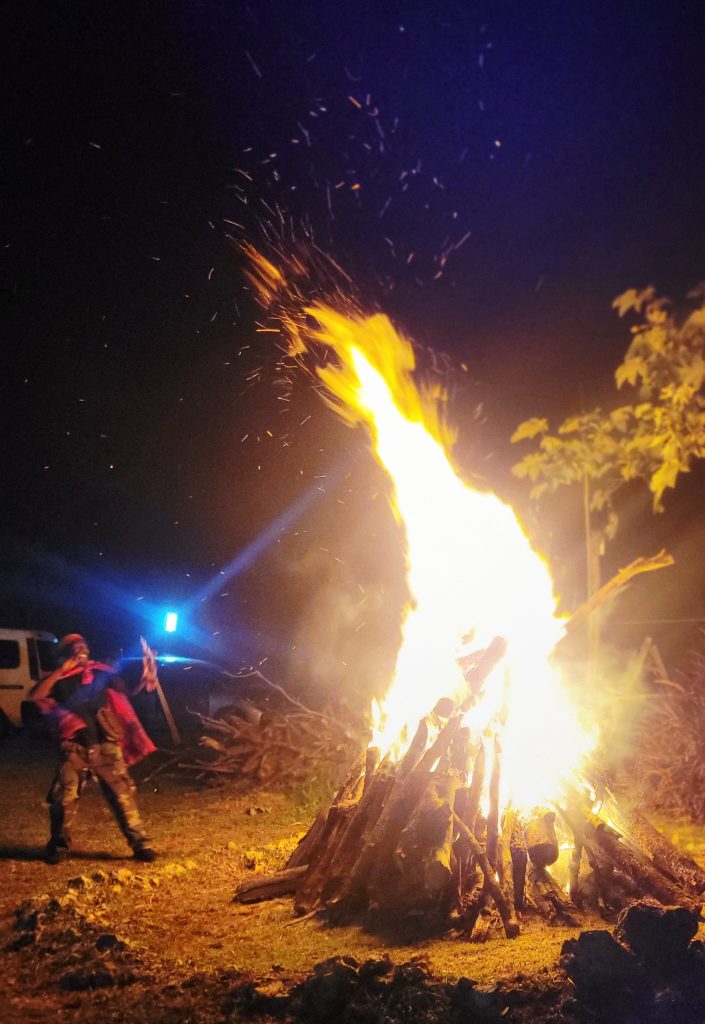
Rastafari, rooted in anti-colonial resistance, Black consciousness, and spiritual sovereignty, has long functioned as more than a faith or cultural identity. In Jamaica, Rastafari communities have historically existed on the margins of state support, relying on the land, ingenuity, and strong communal systems grounded in the African philosophy of ubuntu—the belief that one’s humanity is bound up in the humanity of others. This ethic of collective care has sustained generations of Rastafari in Jamaica and around the world. Across Jamaica, many Rastafari communities have sustained their existence through strategies of survival that operate at the most basic levels for food security, shelter, land use, and informal infrastructure. These systems, while demonstrating remarkable resilience and self-reliance, are often born of historical exclusion rather than choice. As a result, when disaster strikes, the Rastafari communities that are already structurally vulnerable are compelled to absorb shocks that would ordinarily be mitigated by established social safety nets.
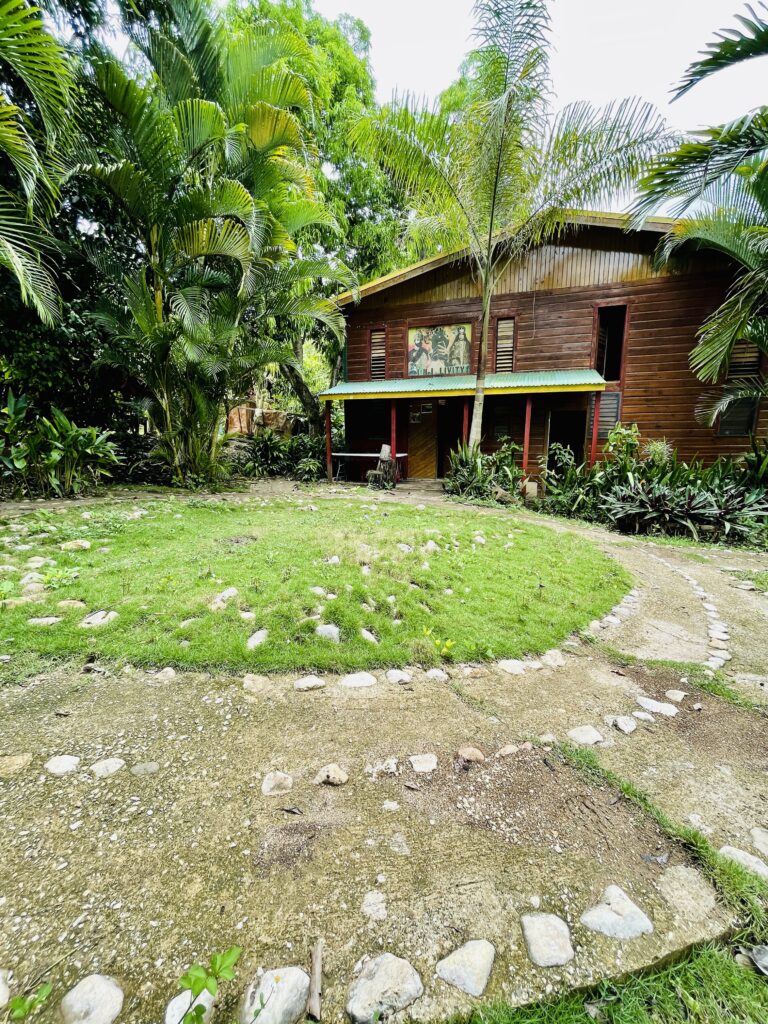
This precarity is not merely material but also institutional. Limited access to credit, land tenure insecurity, marginal recognition by development agencies, and a long history of cultural stigmatisation mean that Rastafari networks frequently function as both first responders and long-term support systems. Hurricane Melissa severely impacted Rastafari households and cultural spaces, including Nyabinghi tabernacles across Jamaica, especially in the western parishes.
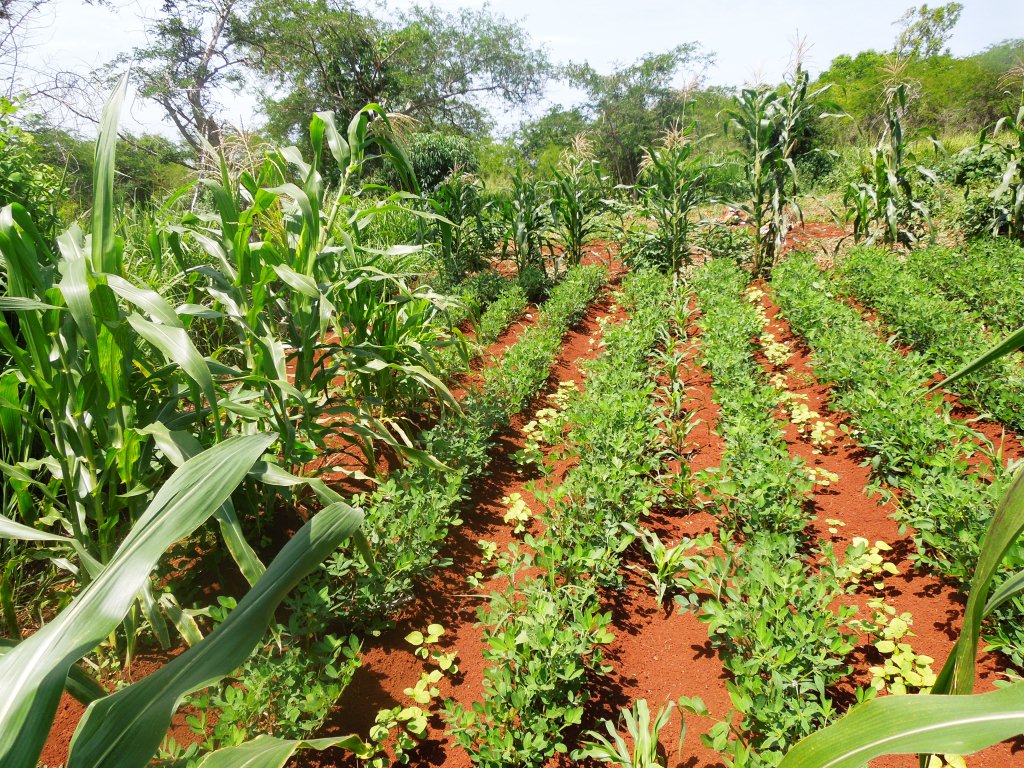
Flooding, crop loss, and soil damage compromised small-scale farming and food systems that are central not only to livelihood but also to cultural practice and autonomy. Thus, recovery for Rastafari is not simply about rebuilding structures and providing relief but also about safeguarding cultural continuity and community survival.
Examining the RRR Model
It is against this background that I examine the recently organised triple R webathon not only as a fundraising event but also as a conceptual intervention into conditions of structural fragility. The decision to frame the initiative as a digital gathering, accessed through a tiered paywall with variable contribution levels, assumed a capacity financial, technological, and institutional that many Rastafari communities do not possess. Rather than mitigating vulnerability, this model effectively redistributed risk downward, placing the burden of participation and support on individuals and networks already operating at subsistence levels.
The organisers were not misguided in recognising that Rastafari carries significant symbolic weight among artistes and international cultural figures, nor in believing that this visibility could mobilise attention and support. Their promotional activities gained momentum a few days before the event, particularly across international platforms. However, this escalation appeared insufficiently attentive to donor fatigue, following nearly three months of sustained recovery appeals directed at the wider western Jamaica community. More critically, it overlooked a foundational principle of disaster recovery: that effective response is rooted in the capacities, leadership, and participation of affected communities themselves. The initiative failed to meaningfully engage the very Rastafari communities it claimed to support, relying instead on external visibility and mediated solidarity. This omission is especially ironic given Rastafari’s long-standing critique of Babylonian systems of exclusion, as the effort ultimately reproduced similar top-down dynamics in practice.
The ‘saviour’ posture among more resourced Rastafari, while perhaps unintended, underscored the need for greater reflexivity, accountability, and community-centred design in future interventions. Empirical research and disaster-policy guidance emphasise effective recovery systems not driven by visibility alone but by meaningful, equitable engagement with affected populations. Community-centred recovery is widely recognised as the “gold standard” for post-disaster work, precisely because it mobilises local agency, assets, and decision-making in the recovery process. As a matter of note, the Jamaican policy frameworks, including the Comprehensive Disaster Risk Management Policy 2020–2040, embed similar principles, aiming to strengthen community resilience and institutionalise participatory approaches to disaster risk reduction and recovery planning.
The organisers understood the symbolic capital of Rastafari, hence the announcement of an ambitious target of USD 500,000 (approx. JMD 75 million), a figure that is misaligned with both broader fundraising trends and the capacities of the formats chosen. According to Empower Agency and recent sector data, “online giving, while an important component of philanthropic revenue, constitutes a modest percentage of total fundraising and attracts relatively low conversion rates on digital platforms: for example, only about 1.5% of website visitors donate, generating an average of $1.29 per visitor, and the average online gift size is around $128 for one-time donors. Donor retention and participation also remain inconsistent, with the online donor retention rate at around 45% and many organisations reporting challenges in converting interest into contributions.”
Fundraising and Disaster Relief: Key Missteps
By contrast, the “I Love Jamaica” Telethon and Virtual Concert organised by the Ministry of Culture, Gender, Entertainment, and Sport raised JMD 65 million (over USD 400,000) for national hurricane relief, leveraging free nationwide broadcast and strong promotional support and featuring performances from nearly 30 leading reggae, dancehall, and gospel artistes. Its use of free broadcast platforms allowed unfettered participation and giving, enabling broad public engagement that the paywalled Rastafari Relief Webathon model could not match. The webathon, streamed on a paid digital platform (RDDM Media) and tied to a pre-existing GoFundMe campaign, concluded with a total of approximately USD 10,000 raised across all channels, falling way below its stated target. This outcome cannot be explained solely by donor fatigue or economic pressures; it reflects a series of strategic miscalculations.
The decision to place the event behind a tiered paywall from USD 5.00 to 100.00, disregarded basic behavioural economics. Though not an expert on this, my research suggests that when donors are presented with a contribution range, the majority typically select the lowest available donation tier, effectively capping generosity before the appeal begins and discouraging spontaneous, impulse giving. This impulse, spontaneous giving, is the very mechanism on which telethons historically depended. Furthermore, digital fundraising relies on conversion at scale—with digital giving accounting for a relatively small slice of total charity revenue and average gift sizes clustered around modest amounts. Successful campaigns typically combine “high visibility, low entry barriers, and strong peer-to-peer incentives to drive participation” (Empower Agency) —conditions the webathon’s structure lacked.
Compounding this was the fact that the event was pre-recorded. Despite promotional materials highlighting participating artistes, there were no full performances. Instead, viewers were presented with statements of endorsements with a few artistes freestyling and fragmented musical moments. This disconnect between expectation and delivery weakened audience engagement and trust. The speaker segments, though featuring high-profile voices, were similarly disjointed. Individual statements appeared without narrative cohesion or thematic progression. A panel-style format allowing for dialogue, reflection, and shared analysis would likely have produced a more compelling and coherent experience.
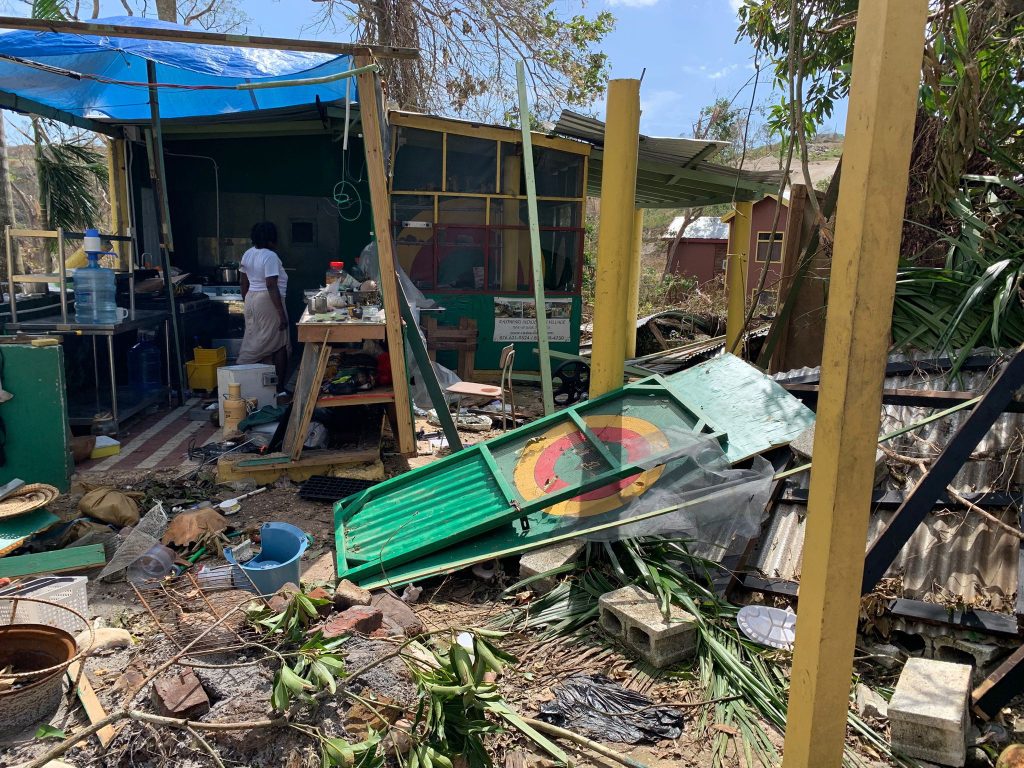
Most concerning, however, was the noticeable absence of Rastafari voices from the ground—those directly affected by Hurricane Melissa. The people whose lives, livelihoods, and cultural spaces were disrupted were largely spoken about, rather than speaking for themselves. In their place were video segments showing food distribution that crossed uncomfortably into poverty and disaster porn, reducing complex human experiences to visual proof of suffering for consumption. This approach undermined the very dignity and sovereignty Rastafari philosophy insists upon. It also weakened the emotional authenticity necessary to inspire meaningful giving. The truth is, the outcome of the RRR Webathon aligned with broader trends in the charitable sector, with live broadcast fundraising models—especially those reliant on long-form viewing—have been declining globally. Donor behaviour has also shifted toward mobile-first, peer-to-peer, and recurring micro-donation systems that integrate seamlessly into everyday life. Audiences are fragmented, attention is scarce, and trust must be earned through transparency, participation, and relevance. In this environment, the RRR Webathon appeared to prioritise production symbolism over fundraising mechanics.
The result was a beautifully framed cultural moment that failed to translate attention into resources. This does not negate the value of the initiative. The webathon succeeded in visibility, network affirmation, and symbolic representation. These outcomes matter, but they are not interchangeable with financial recovery.
The Lesson
- Digital solidarity is not impossible, but it must be designed.
- Effective hybrid strategies now rely on sustained pre-event campaigns, diaspora-targeted outreach, institutional partnerships, and rigorous post-event follow-up
- Live streams function best as amplifiers and not engines of fundraising.
The Rastafari Relief, Rebuild & Rise Webathon deserves recognition for intent. The review demands honesty—the objective is large-scale recovery and sustainable futures. The future, therefore, must move beyond cultural spectacle and confront the realities of contemporary digital fundraising. Paywalls, pre-recorded broadcasts, and extractive visual storytelling are no longer fit for purpose.
Culture can carry the message. But strategy must carry the money.
Selah.
—Coleen Douglas
 Tami Tsansai
  WK Admin